

Ash Percival-Borley visits an important site in SOE history
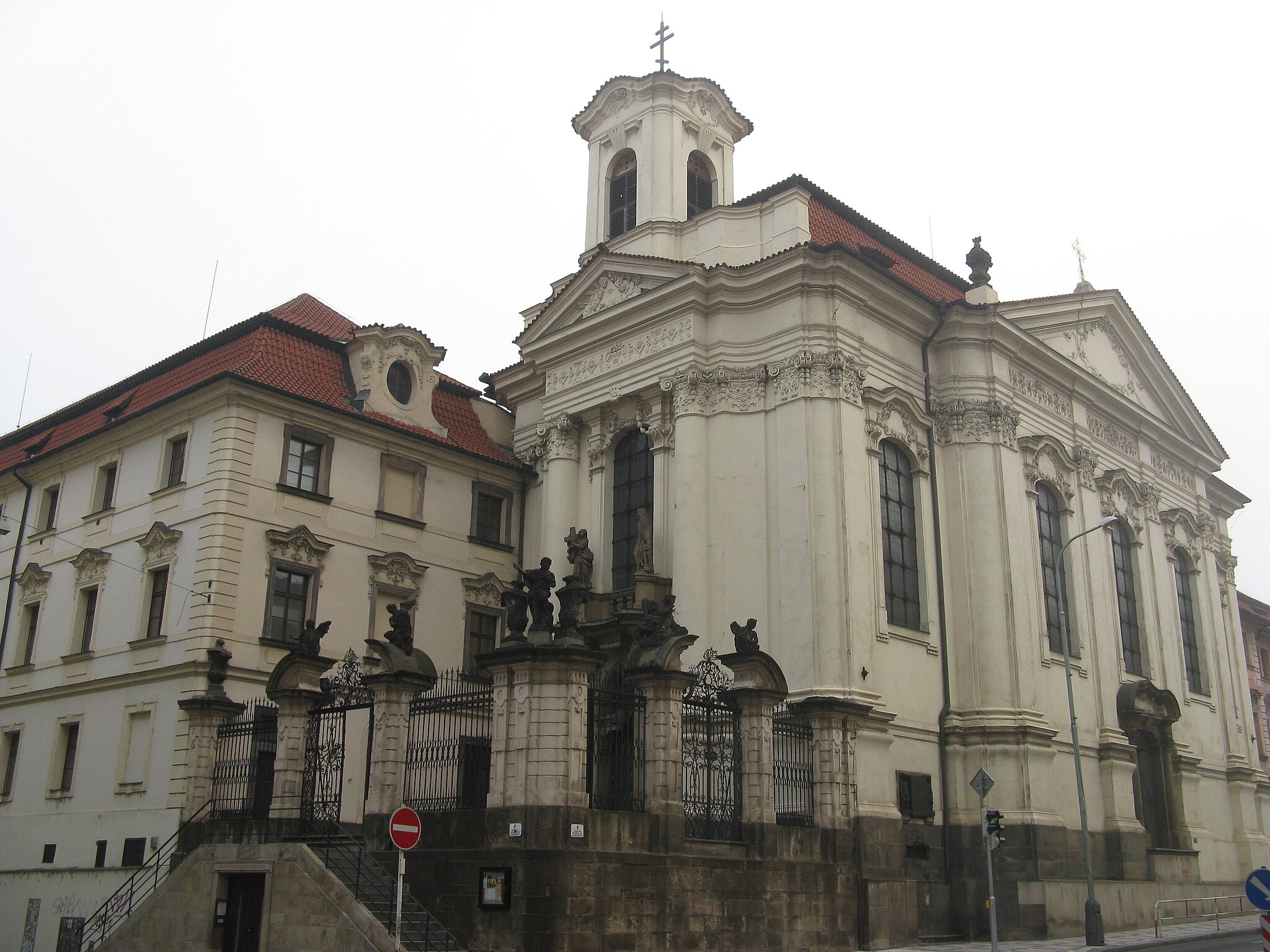
I recently had the opportunity to visit the cathedral of Saints Cyril and Methodius in Prague. My partner is Polish, and after visiting family, we booked flights back from Prague so we could see an important site in Special Operations Executive history. The weather was perfect, and I enjoyed the stunning Prague skyline and beautiful buildings. As I walked along Resslova street, I noticed a plaque on the ground honouring the brave men of Operation Anthropoid. Having climbed the stairs leading up to the church I hesitated before entering, trying to imagine what it had been like in May 1942, being aware that this building was the likely site of my final stand.
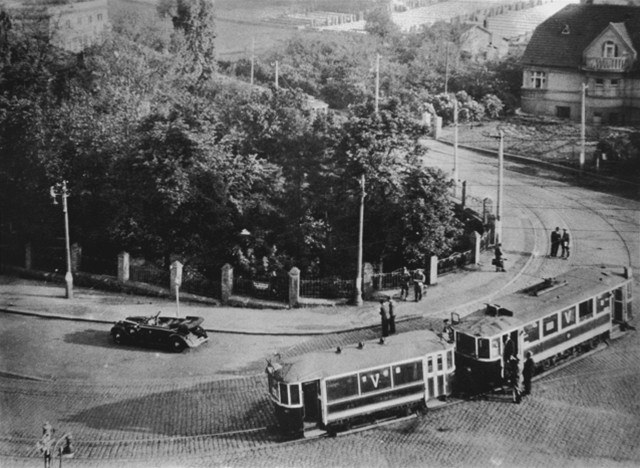
Stepping down into the crypt beneath the church, the air suddenly felt heavy, thick with heat, history, and sacrifice. The bullet holes were still there, scars in the stone. I stood quietly beside them, trying to take in the enormity of what happened in this place. After the assassination of Reinhard Heydrich, acting Reich Protector of Bohemia and Moravia and one of the chief architects of the Holocaust, seven Czech operatives trained by the SOE hid in the church for three weeks, but were betrayed and surrounded by the SS and Gestapo. Operation Anthropoid had succeeded, but survival had never been guaranteed.
On 18 June the church became a battlefield. Jan Kubiš, Adolf Opálka, and Josef Bublík died in the prayer loft above after a fierce two-hour gun battle. Below, in the crypt, Josef Gabčík, Josef Valčík, Jaroslav Švarc, and Jan Hrubý made their final stand. The Germans did not want them dead. They wanted to break them, so fire hoses were brought in to flood the crypt. A machine gun was mounted on a building across the street and raked the whole area with bullets. As the water rose the remaining men did not not surrender. And finally, when their ammunition ran out, they used their final bullets on themselves.
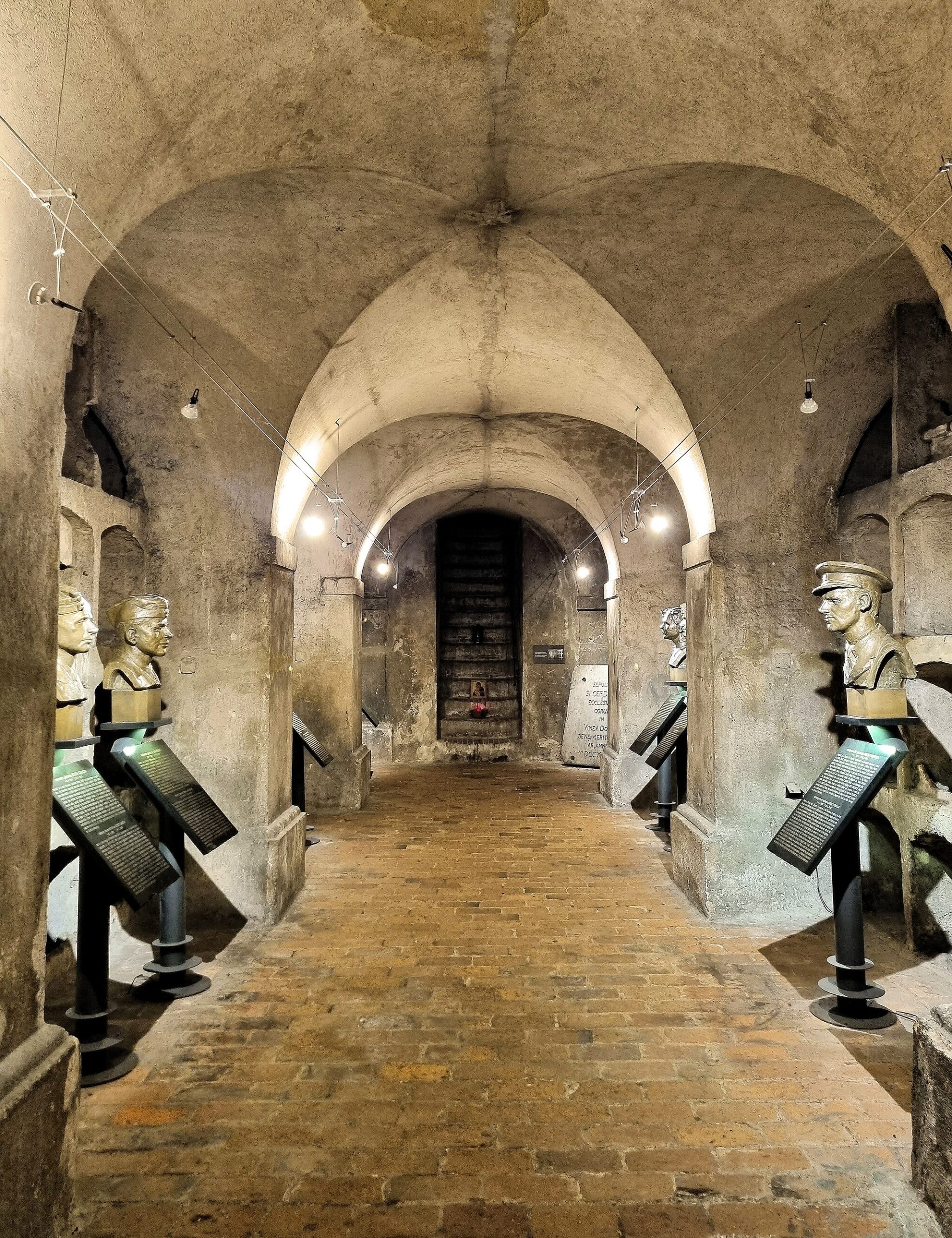
What moves me most is that they were ordinary men, caught in extraordinary times, who chose resistance, agency and ultimately, chose death on their own terms. As an SOE historian who works extensively with oral sources, I am drawn to these stories which are so often buried beneath myth and legend. The language of heroism can flatten the past, smoothing out fear, doubt, and pain. But standing in that crypt, what lingers is not myth. It was the story of men who had families, futures, and ordinary lives waiting elsewhere. Their courage lay in endurance. Remembering them means holding onto their humanity as tightly as we do their heroism and recognising that resistance is rarely abstract, because it is lived, felt, and paid for in places like the crypt in the cathedral of Saints Cyril and Methodius.